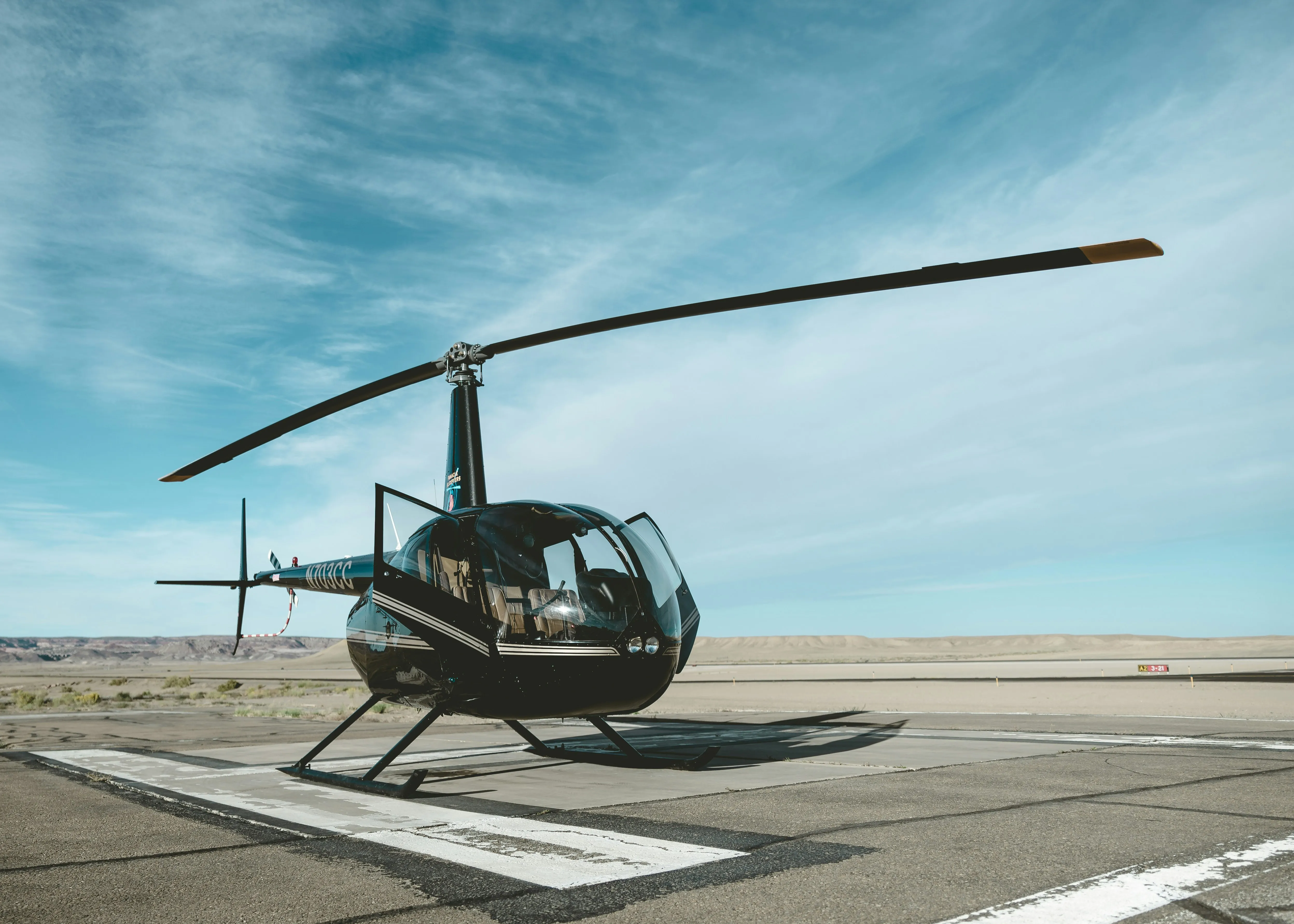
The Ideal Aviation Guide to Becoming a Helicopter Pilot in 2025
Becoming a helicopter pilot is a thrilling journey that combines skill, focus, and passion. At Ideal Aviation, our Part 141 helicopter program in St. Louis offers aspiring pilots the structure, resources, and mentorship needed to soar safely and confidently. In this post, we’ll walk you through everything you need to know to become a helicopter pilot in 2025.
1. Starting with a Discovery Flight
The first step is often a discovery flight, a hands-on introduction to rotorcraft operation. During this flight, students get a feel for basic controls, hovering, and maneuvering under the guidance of a certified instructor. It’s an exhilarating way to confirm your passion for flight before committing to full training.
At Ideal Aviation, our discovery flights are designed to give a realistic experience while emphasizing safety and comfort. Students learn basic cockpit layout, pre-flight checks, and simple maneuvers, all while enjoying the thrill of helicopter flight over scenic St. Louis and its surrounding areas.
2. FAA Requirements and Licensing Path
Helicopter pilots in the U.S. must follow FAA Part 61 or Part 141 regulations. Ideal Aviation’s Part 141 program provides a structured curriculum that can streamline training time while meeting all regulatory requirements. Typically, the path includes:
- Private Pilot License (PPL-H) – Learn basic helicopter operations, maneuvers, and navigation.
- Commercial Pilot License (CPL-H) – Advance to more complex operations, including commercial applications.
- Instrument Rating (IFR) – Develop proficiency in flying solely by reference to instruments.
- Certified Flight Instructor – Helicopter (CFI-H) – Optionally, teach future pilots and gain flight experience.
3. Helicopter Flight Training: Key Skills
Helicopter training emphasizes unique skills not found in fixed-wing aircraft, including:
- Hovering and Precision Maneuvers – Control the helicopter in tight spots or stationary flight.
- Autorotation – Mastering emergency descent techniques safely.
- Low-Altitude Navigation – Flying close to terrain with accuracy and situational awareness.
- Transitioning Between Flight Modes – Managing collective, cyclic, and anti-torque pedals effectively.
Ideal Aviation instructors provide hands-on guidance throughout these steps, using a combination of in-aircraft training and ground instruction.
4. Aircraft and Technology at Ideal Aviation
Our fleet includes modern helicopters equipped with advanced avionics, providing students with real-world experience in managing navigation, communication, and safety systems. This technology enhances learning while instilling confidence for future professional operations.
5. Timeline and Commitment
The length of helicopter training varies based on frequency of lessons, student aptitude, and licensing goals. Typically, students can achieve a private helicopter license within 3–6 months, while commercial or instructor certification may take 12–18 months.
At Ideal Aviation, we emphasize a personalized pace, allowing students to balance skill development with their schedule while ensuring safety and mastery.
6. Career Opportunities
Helicopter pilots enjoy diverse career paths, including:
- Emergency medical services (EMS)
- Law enforcement aviation
- Corporate transport
- Flight instruction
Ideal Aviation prepares students not only for certification but for real-world operations in dynamic environments.
Ready to Take Off?
If you’ve ever dreamed of piloting a helicopter, there’s no better time to start than today. Contact Ideal Aviation to schedule your discovery flight or speak with our instructors about how our Part 141 helicopter program can help you achieve your aviation goals.
Learn more and start your rotorcraft journey at idealaviationstl.com