How to Budget for Flight Training Without Cost Surprises
The first time you put on a headset, the cost of becoming a pilot can feel like one large, blurry number. A good plan to make it clearer is to turn that number into a sequence: lessons, ground study, tests, the practical test, and enough financial breathing room to keep training consistently.
A realistic flight training budget covers much more than the aircraft rate. Start with your next milestone, use a current estimate, include the costs around each lesson, and protect the rhythm that helps you retain what you learn. At Ideal Aviation, we help students connect those pieces before they commit to a training path. You can begin by reviewing our pilot training programs and then use the framework below to prepare for a more productive planning conversation.
Start with the certificate you actually want to earn
Your budget needs a finish line. “Learn to fly” could mean a few introductory lessons, a Private Pilot Certificate, or a longer professional path that later adds an Instrument Rating and Commercial Pilot Certificate.
Choose the next complete milestone. A first-time student can start by planning through the private pilot checkride. A certificated pilot can build a separate plan for the next rating. This keeps the estimate tied to a real syllabus and prevents distant career ambitions from turning into one intimidating price tag.
Write down four decisions before you discuss cost:
- The certificate or rating you want next
- Whether you expect to train around work or school
- How often your budget can reliably support lessons
- Which non-training obligations could interrupt that schedule
If you are still deciding where to begin, our first-time pilot guide lays out the main training paths and prerequisites.
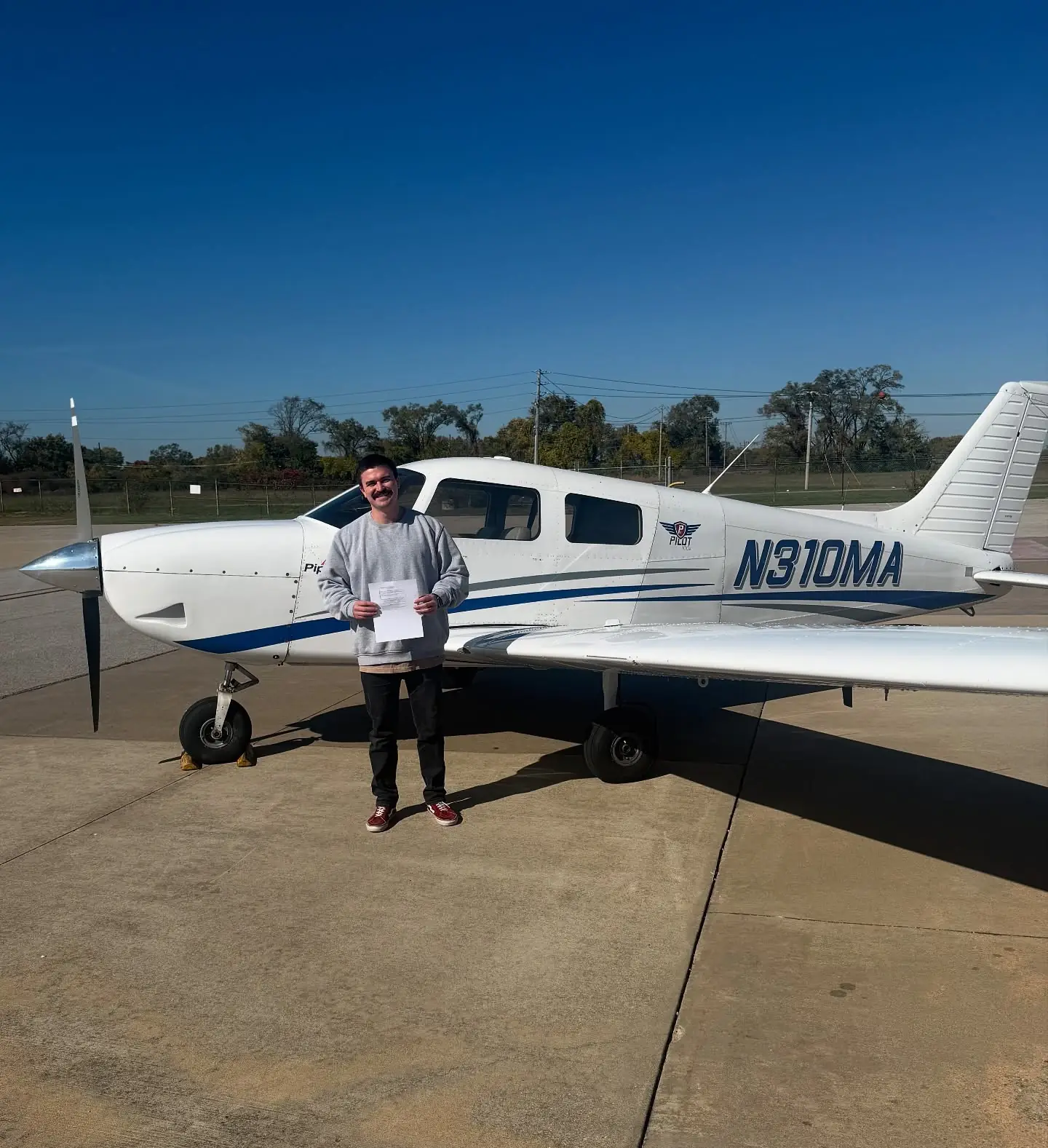
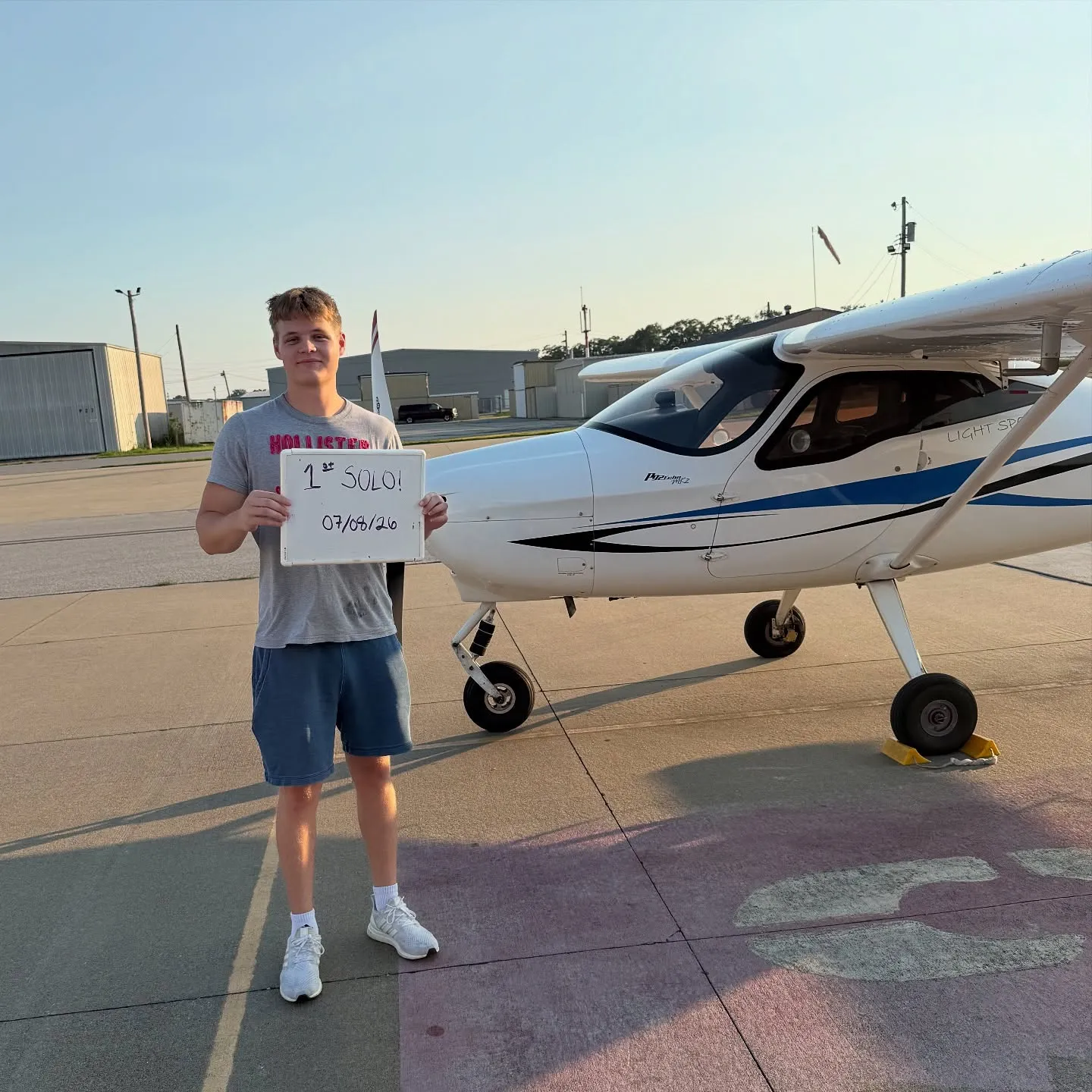
A planning conversation should connect your next milestone, schedule, and budget before training begins.
Build the budget beyond the aircraft rate
An hourly aircraft figure is one line in the plan. Ask for the cost categories that carry you from enrollment through the practical test, then separate expenses that recur from those that happen once.
| Budget category | What it can include | How to plan it |
|---|---|---|
| Flight lessons | Aircraft time and flight instruction | Use current rates and the training-hour range discussed for your path |
| Ground training | Instructor time, ground school, or test preparation | Decide what is included and what you will purchase separately |
| Testing | FAA knowledge test and possible retest | Set this money aside before the test window |
| Practical test | Examiner fee and aircraft time for the checkride | Keep it separate from your normal lesson balance |
| Medical and documents | Aviation Medical Examiner visit and related application costs | Address eligibility early and budget for the appointment |
| Training tools | Books, charts, headset, apps, subscriptions, or supplies | Separate required items from useful upgrades |
| Personal logistics | Transportation, meals, childcare, or living expenses | Match these costs to your expected training schedule |
| Training reserve | Extra instruction, weather changes, or a retest | Keep a buffer with room beyond the last planned dollar |
Actual inclusions differ by program and student. You can discuss current rates and program details with our team by filling the form in the contact page or by calling us at (618) 360-7600. Bring this table to the conversation so you leave with more than a single hourly number.
Plan for proficiency beyond the regulatory minimum
For a private pilot certificate in an airplane under Part 61, the FAA requires at least 40 hours of flight time. The FAA also reports an approximate U.S. average of 75 hours for completion. Treat that average as national context; proficiency, weather, schedule, aircraft availability, and other factors can change the hours you require.
This distinction can protect your plan from an early shortfall. A budget built around the legal minimum can force a pause when normal additional practice becomes necessary. Use the minimum as a requirement baseline and build your cash-flow plan around the training range discussed with the school.
If you are comparing training structures, our guide to Part 61 versus Part 141 flight training explains how structure and minimum hours both shape the decision.
Give your training enough financial runway to stay consistent
Imagine that one lesson introduces a maneuver, the next lesson sharpens it, and the third lesson makes it repeatable. A long gap can turn the next flight into a review of work you had already started to own. Consistency is both a learning decision and a financial decision.
The FAA advises students to obtain ground and flight training regularly and frequently because that supports retention and proficiency with less expenditure of time and money. Savings vary by student. Less relearning leaves more of each lesson available for progress.
Before you start, map a repeatable lesson rhythm on your calendar. Include work peaks, school deadlines, family obligations, and the seasons when your disposable income changes. Then decide how many weeks of scheduled training you want funded before the first lesson. Our post on making the most of every flight lesson can help you protect the value of the time you book.
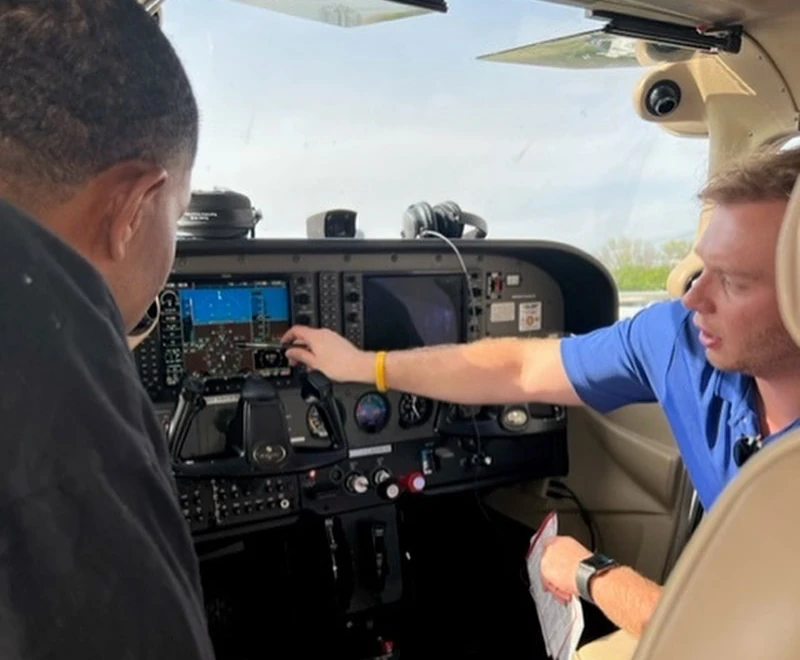
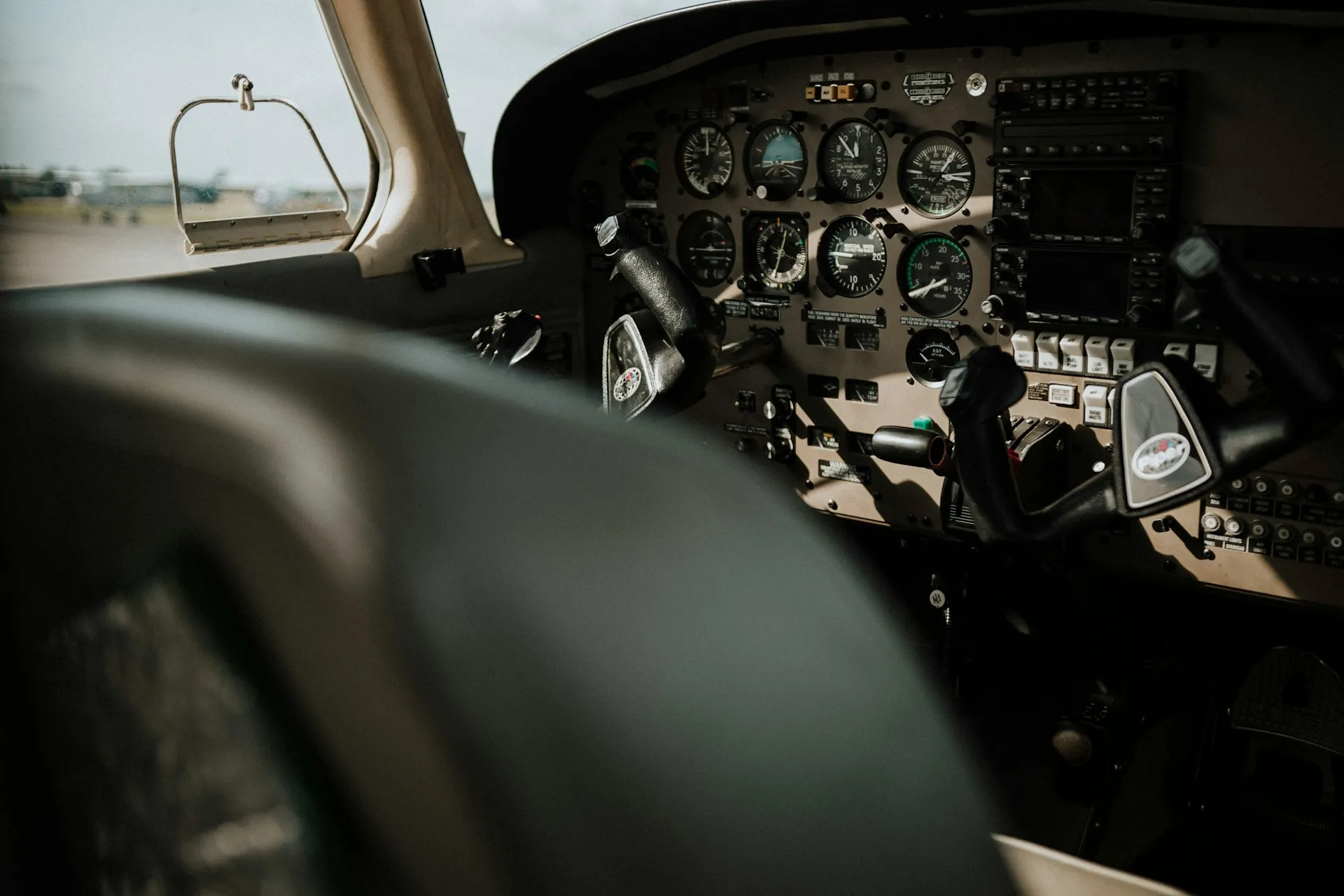
Consistent lessons let each cockpit session build on the skills developed in the last one.
Turn the estimate into a monthly cash-flow plan
A total estimate shows the size of the commitment and a monthly plan defines whether your schedule can carry it. Choose a pace your cash flow can maintain from the beginning.
Use a simple monthly worksheet:
- Estimate the aircraft and instructor time for your planned lesson rhythm.
- Add ground instruction and study resources expected that month.
- Add a monthly contribution toward the knowledge test, medical exam, and practical test.
- Add transportation, childcare, or other personal costs tied to training.
- Add money to a training reserve.
- Compare the total with income already available for training.
If the gap is too large, adjust the start date, training rhythm, or funding mix before you begin. That is a stronger choice than repeatedly stopping after training is underway.
Financing options may be available to qualified applicants, and scholarships can become another layer of the plan. Approval, award amounts, deadlines, fees, and repayment terms depend on the provider and applicant. Review our flight training scholarship resources, keep applying, and treat each potential award as optional support within your broader plan.
Handle medical eligibility before a large training spend
You may begin lessons with an instructor before receiving a student pilot certificate or medical certificate, but you will need a medical certificate before solo flight. The FAA suggests obtaining it before beginning training so a potential eligibility issue is identified before you pay for many lessons.
Put the medical step near the beginning of your financial plan. If you have questions about a condition, medication, deferral, or special issuance, consult an Aviation Medical Examiner for personalized guidance. The FAA’s medical certificate guidance explains the general timing, and our Private Pilot program page helps you see where the step fits in training.
This step protects the money you plan to invest. Resolving an eligibility question early can keep you from committing a large portion of your budget before you understand the path ahead.
Compare training estimates on the same assumptions
A fair comparison requires matching inclusions. One estimate may include instructor time, tests, and examiner fees, while another may multiply minimum hours by an aircraft rate. Use the same checklist for every estimate so missing line items cannot distort the apparent difference.
Compare:
- The certificate, category, and training structure being quoted
- Aircraft and instructor assumptions
- Ground instruction or ground-school inclusions
- Knowledge-test and practical-test costs
- Medical, supplies, subscriptions, and administrative fees
- The treatment of extra hours, retests, credits, refunds, and expiration dates
- Scheduling expectations and the lesson rhythm your cash flow can support
Price belongs alongside training fit, schedule, and the support that helps you keep progressing. You can explore our full program lineup before narrowing your next milestone.
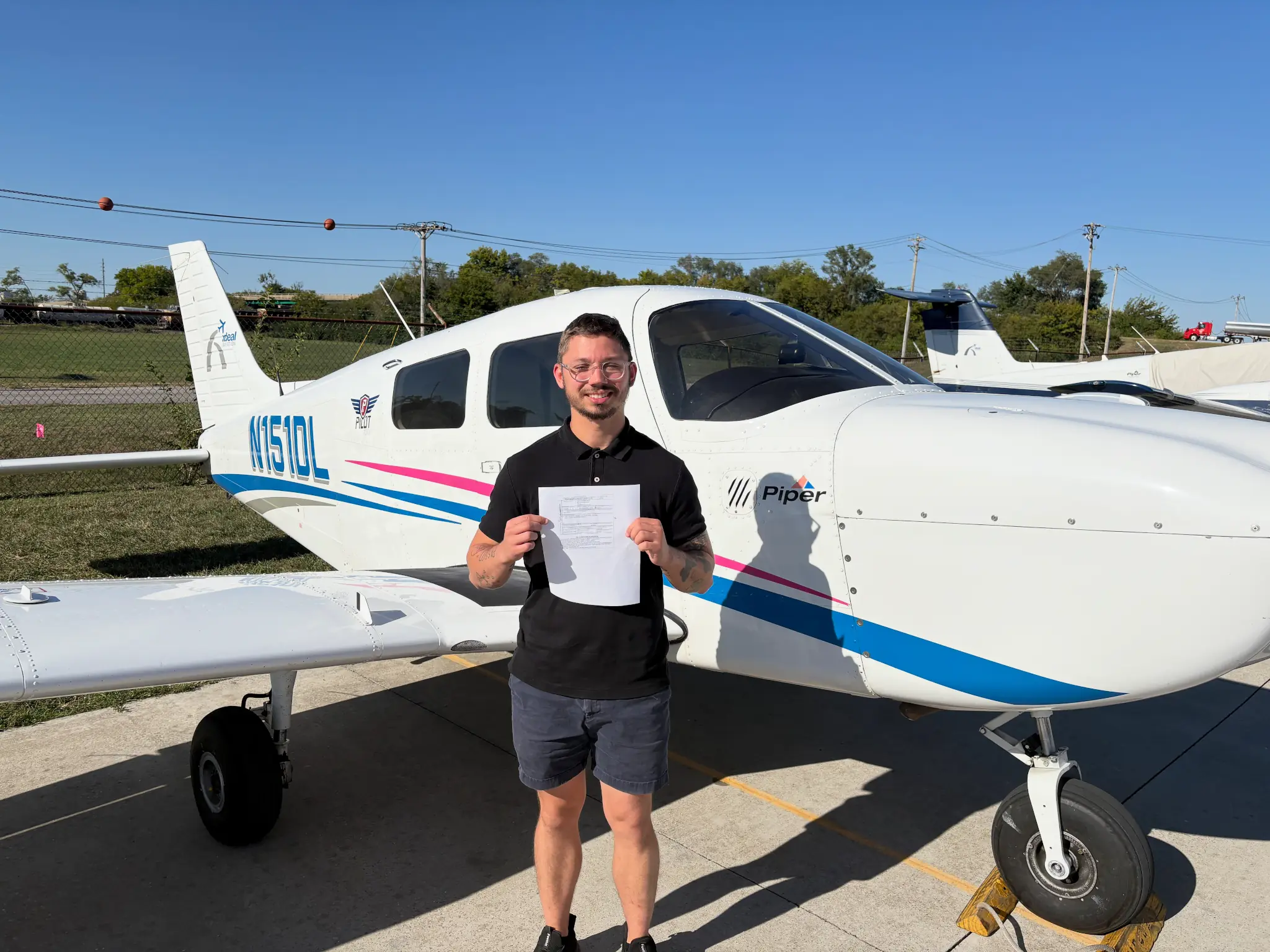
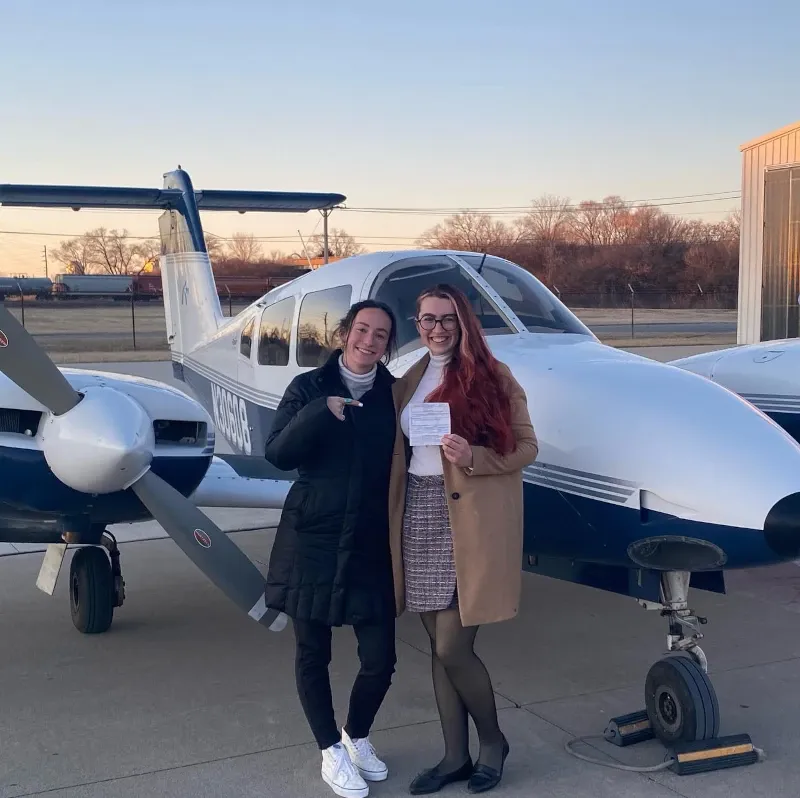
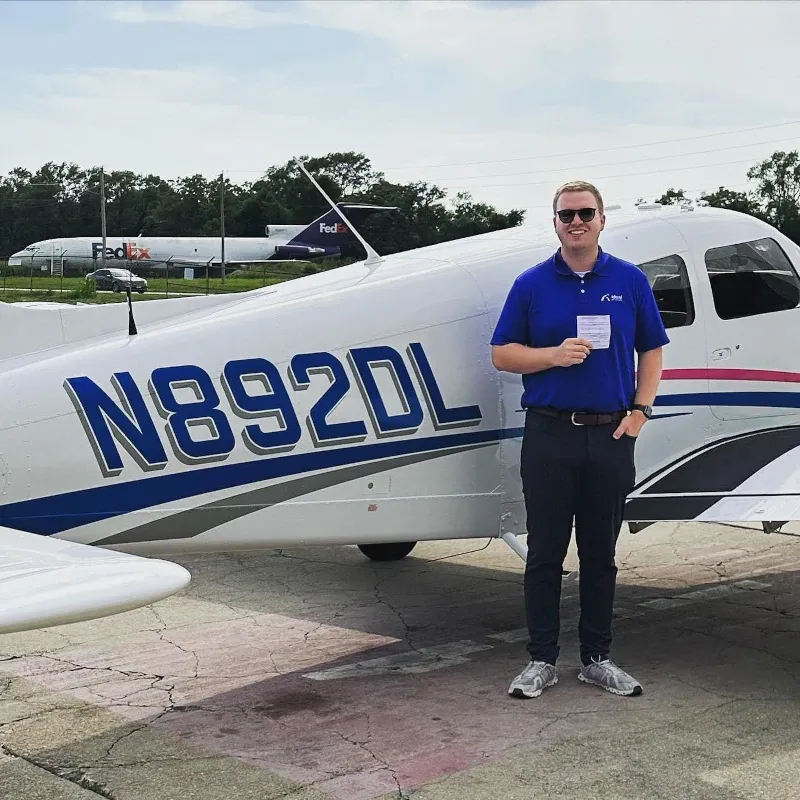
The strongest budget follows the complete path to a certificate or rating, including the final testing stage.
Flight training budget FAQs
How much should I save before starting flight training?
There is no universal amount because rates, hours, schedule, and proficiency differ. A useful target is enough to support your planned lesson rhythm plus near-term ground, testing, and reserve costs. Contact us to start a current program conversation, then turn the resulting categories into a monthly plan.
Should I wait until I can pay for all of flight training in cash?
Not necessarily. It might be better to determine whether your funding plan can support consistent progress without relying on an unconfirmed loan or scholarship. Your mix may include savings, current income, financing for qualified applicants, and outside awards. Searching for scholarship options is a useful way to start exploring.
Can I use the FAA minimum hours to calculate my final cost?
Use minimum hours only as a regulatory baseline. Students complete training when they meet the applicable requirements and demonstrate proficiency. See our private pilot training overview for the broader sequence.
Does flying less often make training cheaper each month?
It can lower one month’s spending, but long gaps can create more review work. Choose a rhythm that your budget can repeat and then discuss scheduling with us.
What should I know before using financing?
Review the provider, eligibility rules, interest rate, fees, repayment timing, total repayment amount, covered expenses, and refund treatment. Financing changes when you pay; it does not remove the cost.
Are flight training scholarships guaranteed?
No. Availability, eligibility, deadlines, and award amounts change. Apply to multiple relevant opportunities and keep a separate funding plan moving. We maintain a short list of prominent flight training scholarships to support that search.
Build your plan with current numbers
A good budget should leave you knowing what you are training toward, what costs sit outside the aircraft, and what lesson rhythm you can sustain. Aim for financial runway that supports steady progress and leaves room for changing hours.
Contact us to discuss your training plan, schedule, and current program details. Bring your budget categories with you, and we will help you turn the next certificate or rating into a clearer plan.