A Practical Pilot Training Plan for Career Changers
Changing careers to become a pilot rarely begins with a resignation letter. It begins with a quieter test: can you make flight training work on an ordinary week, alongside your job, family, bills, and everything else that already owns a place on your calendar?
The strongest pilot training plan for a career changer is a staged plan. You confirm eligibility, experience the training environment, choose a repeatable lesson rhythm, build financial runway, and review each milestone before making a larger life change. At Ideal Aviation, we can help you turn “I want to fly professionally” into a sequence of decisions you can actually manage.

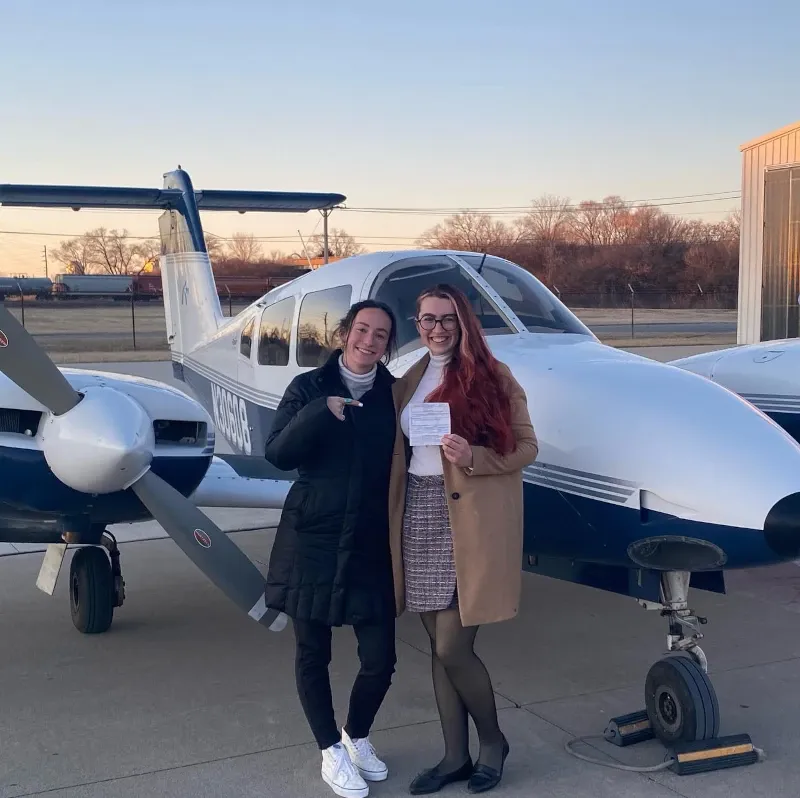
A preflight is a useful first picture of a career change: one deliberate check at a time.
Start by defining the cockpit you are working toward
“Professional pilot” can describe very different lives. You may picture an airline flight deck, flight instruction, charter operations, aerial work, or another commercial role. Your target shapes the training sequence, medical planning, budget, and pace.
A common career path builds from a private pilot certificate to an instrument rating, commercial pilot certificate, and often flight instructor qualifications before later ATP eligibility. That sequence is common and each credential has its own eligibility, experience, knowledge, and proficiency requirements. Completing a training milestone also does not guarantee employment; certification and hiring are separate decisions.
Write down three things before comparing schools:
- The kind of flying you want to explore.
- The weekly time you can protect for training and study.
- The point at which you would reconsider your current work arrangement.
That third answer should be tied to evidence, such as progress through a certificate, savings accumulated, or a clearer professional direction. It should not depend only on enthusiasm after one good flight.
Test the plan before you reorganize your life
A discovery flight gives you more than a view of St. Louis. You can experience the aircraft, headset, instructor communication, and pace of a real lesson. Pay attention to how you feel during the briefing and preflight as much as you do in the air.
Afterward, schedule a planning conversation. Bring your work calendar, commute constraints, family commitments, and an honest training budget. A realistic schedule beats an ambitious schedule you cannot repeat. Two protected training windows that survive a busy month are more useful than five imaginary openings that disappear whenever work gets loud.
Weather, maintenance, instructor availability, aircraft availability, and your own proficiency can all affect progress. Build flexibility into the calendar and keep study time available even when a flight cannot happen.
Address medical eligibility early
You can take lessons with an instructor before holding a student pilot certificate or medical certificate. For most airplane students, however, the required medical qualification must be in place before solo flight. Handle medical questions before committing a large share of your training budget.
If you have questions involving a health condition, medication, prior diagnosis, deferral, or special issuance, consult an Aviation Medical Examiner for guidance specific to you. Our Private Pilot program places the medical step near the beginning because it belongs in the foundation of the plan.
Career goals can also influence which medical class you choose to pursue. Discuss that decision with an AME rather than relying on a generic checklist or another student’s experience.
Choose a training structure that fits your real week
Part 61 and Part 141 describe different regulatory training structures. Part 61 often allows more flexibility in pacing and scheduling. Part 141 schools use FAA-approved course curricula, required records, and a structured progression. Neither route is automatically better, faster, or less expensive for every student.
Use our Part 61 versus Part 141 guide to begin the comparison, then ask how the available course fits your work pattern. Consider:
- Schedule: Can you protect recurring lesson windows?
- Learning style: Do you want a defined syllabus and checkpoints or more pacing flexibility?
- Funding: Does a funding source require a particular approved program?
- Continuity: What happens when work travel, family needs, or seasonal demands interrupt the plan?
- Goal: Are you exploring a career path or already committed to a specific training sequence?
The right structure is the one you can sustain while continuing to learn well.
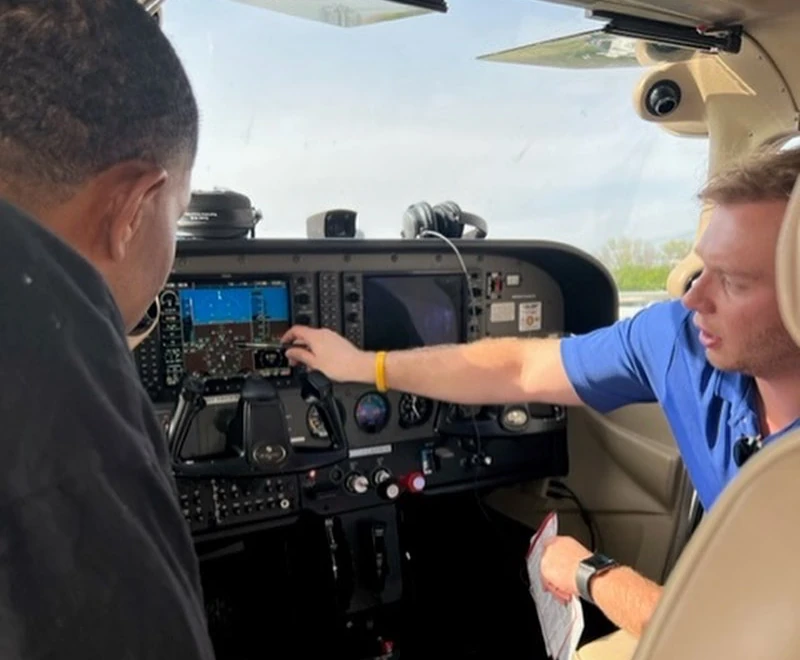
A sustainable schedule gives each lesson a chance to build on the last cockpit session.
Build financial runway around the whole milestone
Aircraft time is only one part of flight training cost. A working budget should also consider flight and ground instruction, knowledge-test preparation, testing, examiner and practical-test expenses, medical costs, supplies, subscriptions, transportation, childcare or other personal logistics, and a reserve for additional training.
Our guide to budgeting for flight training gives you a category-by-category worksheet. Use current rates and program details rather than multiplying an aircraft rate by an FAA minimum. Minimum hours are’nt completion or price guarantees. Your proficiency, lesson frequency, weather, aircraft availability, and other factors affect the final plan.
Financing options may be available to qualified applicants, and outside scholarships may provide additional support. Review eligibility, interest, fees, repayment timing, total repayment cost, and covered expenses before treating financing as part of the plan. Our flight training scholarship resources can help you begin a broader funding search, but awards and loan approvals should remain optional layers until confirmed.
Use milestone gates instead of one giant leap
A career change feels less fragile when you decide what must be true before advancing. Explore flight training programs to see the possible sequence, then include personal decision gates between those programs.
| Decision gate | Evidence to review | Decision you can make |
|---|---|---|
| Before enrollment | Discovery flight, medical plan, schedule, current estimate | Whether to begin private pilot training |
| During private training | Progress, study habits, budget variance, enjoyment of the work | Whether the weekly rhythm is sustainable |
| After private pilot | Mission, career goal, instrument readiness, remaining runway | Whether instrument should be next |
| Before commercial training | Career research, medical strategy, time and funding | Whether to deepen the professional commitment |
| Before instructor training | Teaching interest, qualifications, local opportunities | Whether CFI training fits the plan |
Do not make a gate dependent on a guaranteed job, perfect weather, or finishing at minimum hours. Use facts you can observe and decisions you can control.
Protect consistency without chasing speed
Training rewards continuity. When lessons are spaced too far apart, part of the next session may be spent rebuilding skills that were beginning to settle. That does not mean every career changer needs an accelerated schedule. It means your pace should be frequent enough to support retention and affordable enough to continue.
Before you reserve the first month, read our tips for making the most of each flight lesson. Put study blocks on the same calendar as flight blocks. Prepare before each lesson, record what needs work, and keep the next objective visible.
Then plan for disruption. A demanding week at work should change a lesson without erasing your entire training system. Keep a way to study weather, regulations, procedures, or chair-flying tasks when you cannot get to the airport.

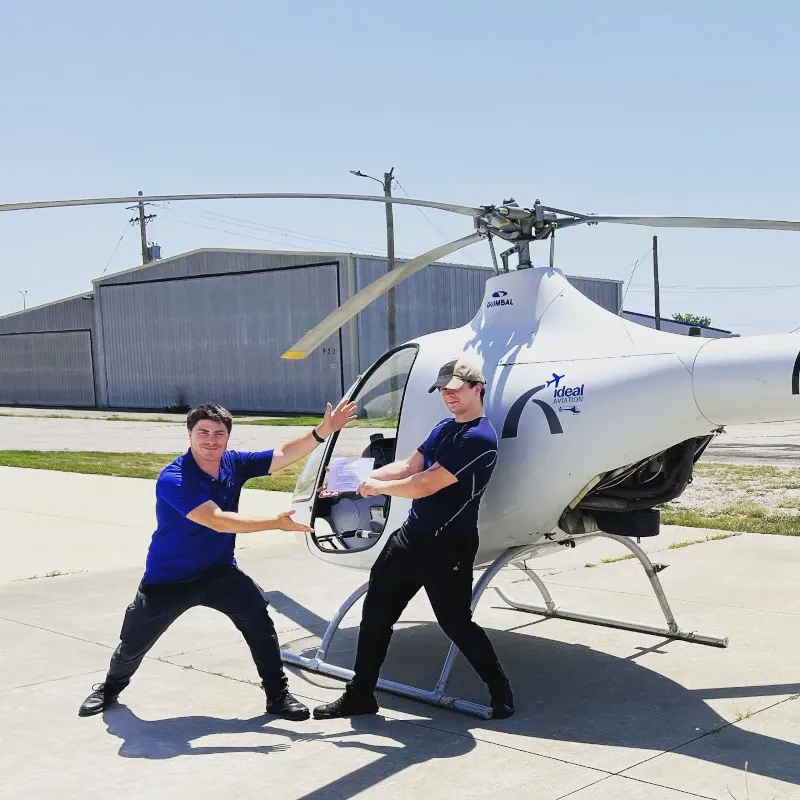
A certificate is a meaningful milestone and a useful point to review the next career decision.
Know what changes before you leave your current career
Ask “What evidence would make changing my work arrangement responsible?” Your answer might include a completed certificate, an established training pace, a medical path you understand, savings for the next milestone, and a realistic view of professional requirements.
Flight instruction is a common way for commercial pilots to build experience, but a CFI job is not automatic. Airline eligibility and airline hiring are also separate milestones. Use our Commercial Pilot program to understand the next training stage, then research employers, roles, and experience expectations independently as your qualifications grow.
You may decide to reduce hours at work before leaving completely. You may keep your current career through several ratings. You may discover that personal flying is the better goal. A staged plan leaves room for each of those answers without treating any one of them as failure.
Career-change pilot training FAQs
Can I start flight training while working full time?
Yes, many students build training around existing responsibilities. The important question is whether you can protect a consistent rhythm for lessons and study. Review the differences between Part 61 and Part 141 training and discuss current scheduling with our team.
How long will a career change to aviation take?
There is no universal timeline. Your starting experience, certificate sequence, training frequency, proficiency, weather, aircraft and instructor availability, checkride scheduling, and professional goal all matter. Begin with the next credential on our program page instead of treating the entire career path as one deadline.
Is financing available for flight training?
Financing options may be available to qualified applicants. Terms, eligibility, covered costs, fees, and repayment timing can vary. Contact us for current program and financing information, and compare total repayment cost before deciding.
Does completing commercial or CFI training guarantee a pilot job?
No. FAA qualifications can make you eligible for certain roles, but hiring depends on the employer and may include experience, medical, insurance, background, interview, and company-training requirements.
Turn the career idea into your first workable month
You do not need every future cockpit mapped before you begin. You need a clear first milestone, early medical planning, a repeatable calendar, and enough financial runway to train consistently. Build the plan around the life you have, then review it as your aviation experience grows.
Contact our team to discuss your goal, current schedule, and the first training milestone that fits your career-change plan.