Will AI Replace Pilots? What Automation Changes for Your Career
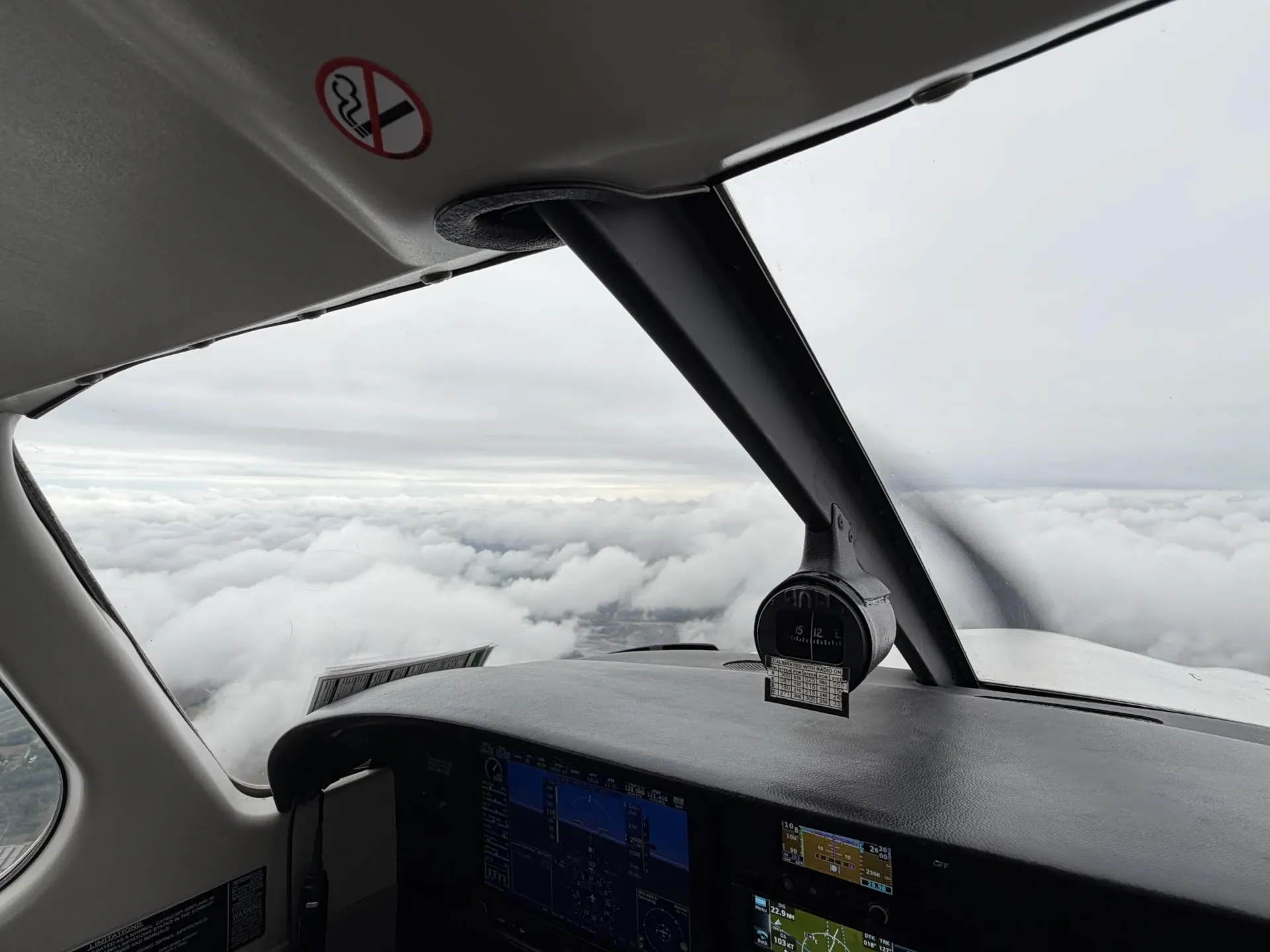
On one of your early lessons in a Piper at St. Louis Downtown Airport, your instructor will let you engage the autopilot. The airplane holds altitude and heading better than you can, the synthetic vision on the Garmin G3X paints the terrain ahead, and for a minute you wonder what you are there for. Then your instructor reaches over, disconnects it, and asks: “Now what?”
That question is the honest answer to “will AI replace pilots?” Automation already flies long stretches of many flights and has for decades. What it has never done is own the decision. Under FAA rules, the pilot in command is the final authority for the flight, today’s certification rules are written around a human in that seat, and current forecasts still project large pilot hiring needs. No one can promise what aviation looks like in thirty years. What we can show you is what the technology does now, what you still have to do, and how the training path builds the skills that automation depends on rather than replaces.
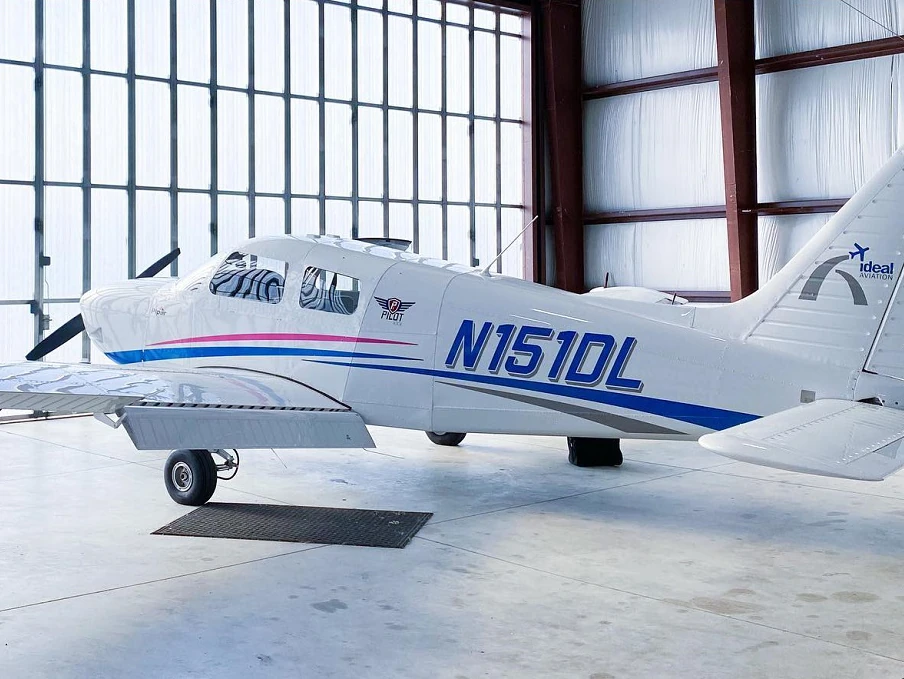
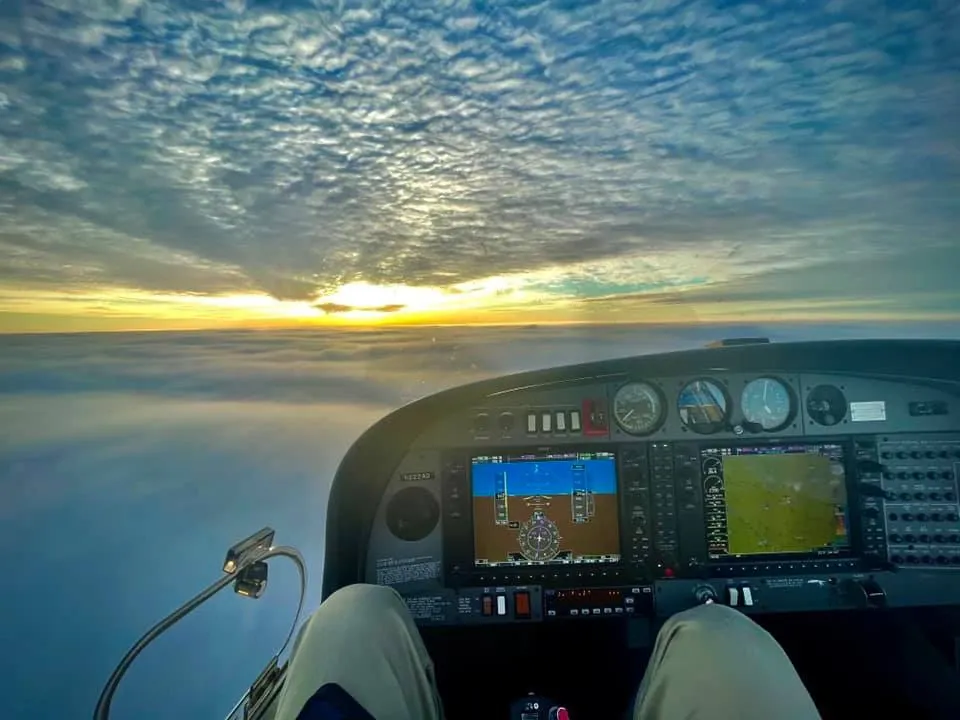
Our Piper trainers carry more automation than most students expect on day one.
The short answer: automation already flies a lot, and pilots are still required
The framing of the question usually imagines a future where a computer takes over. In practice, cockpit automation arrived generations ago and has been expanding ever since. Autopilots, flight directors, GPS navigators, and integrated displays already handle a large share of the mechanical work of flying. What changed is what pilots spend their attention on.
Today’s rules require a human pilot in command, and the FAA’s certification standards for every certificate you will earn, from Private Pilot through Commercial, test judgment and risk management alongside stick-and-rudder skill. Research into reduced-crew and autonomous concepts exists, and none of it changes what a student pilot needs to learn now. The pilot’s job has shifted toward managing systems and making decisions, which is a job automation makes more important, not less.
What the autopilot in our trainers actually does
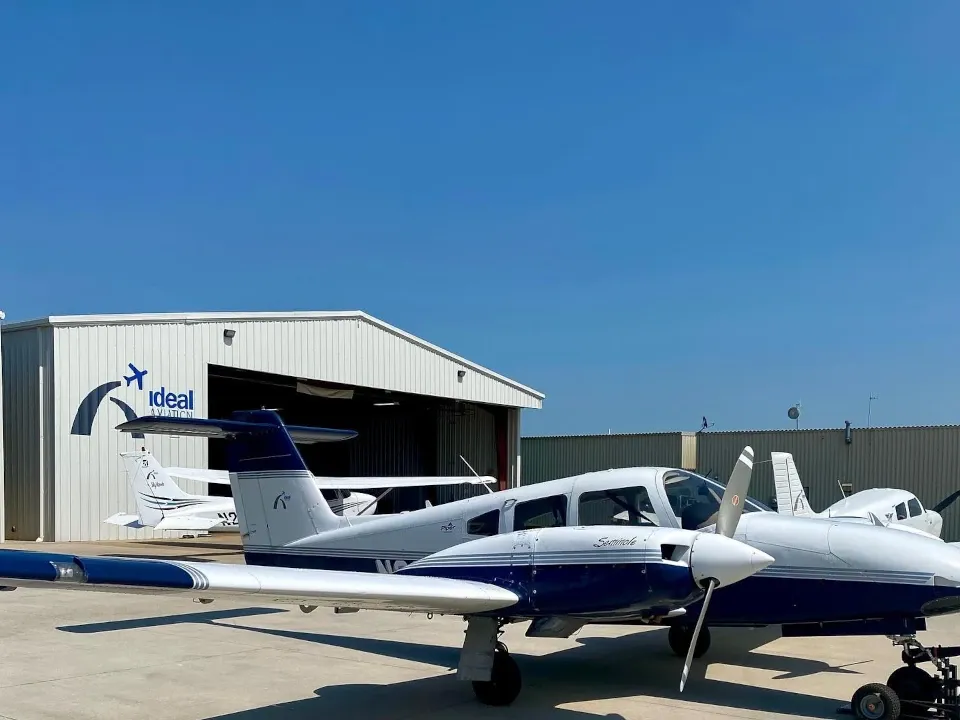
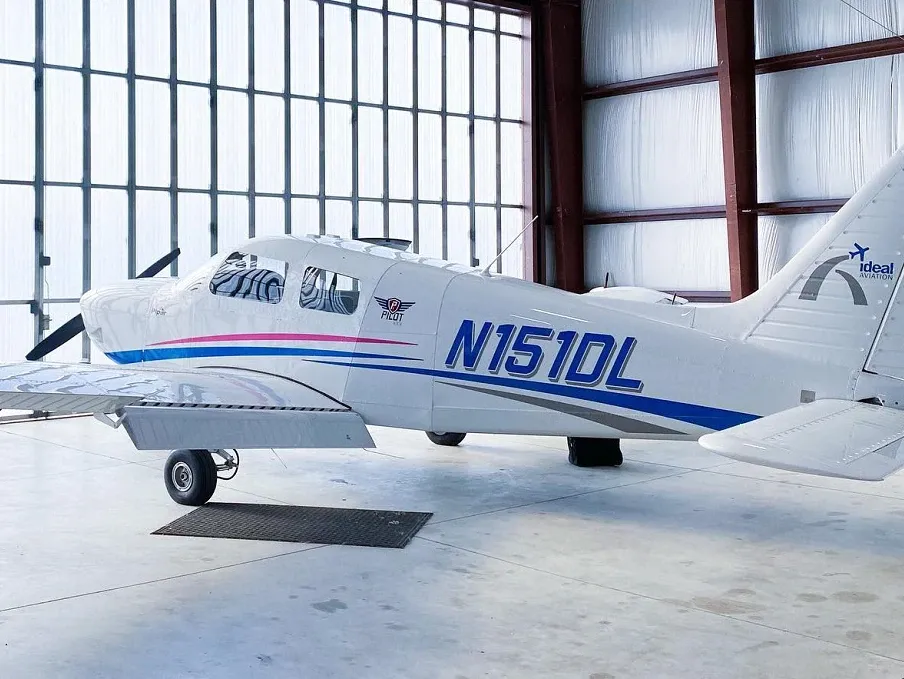
It helps to be specific. Our Piper Pilot 100i and Piper Archer carry a Garmin G3X Touch panel with a GFC500 autopilot, synthetic vision, a GNX 375 GPS navigator, and a G5 backup instrument. The Archer adds Electronic Stability Protection, traffic and terrain alerts, and ADS-B In and Out. Our Tecnam P92 and P-Mentor run dual G3X displays as well.
Here is what that equipment handles on a cross-country: it holds altitude and heading, flies a programmed route, shows terrain and traffic, and warns you when the airplane drifts toward an unusual attitude. Here is what it does not do: decide whether to launch, pick an alternate when the destination weather drops, talk to the controller who just changed your clearance, or fly the airplane when the GPS signal degrades. Learning on this panel from your first lesson means you learn to manage automation rather than be surprised by it later.
What the pilot still owns
Strip away the displays and four responsibilities remain squarely with the human in the left seat. The first is authority. Under 14 CFR 91.3, the pilot in command is directly responsible for, and the final authority as to, the operation of the aircraft. Every automated system in the airplane is a tool that authority uses.
The second is weather. A summer line of thunderstorms building west of St. Louis is visible on a display, and no display decides whether you divert, wait, or land short. The third is communication. Air traffic control, other aircraft, passengers, and your own crew all require a person who can listen, interpret, and respond in real time. The fourth is the abnormal situation: the alternator that fails, the door that pops open on takeoff, the approach that stops making sense. Automation is designed for the expected. Pilots are trained for the rest, and that training begins on day one in our Private Pilot program.
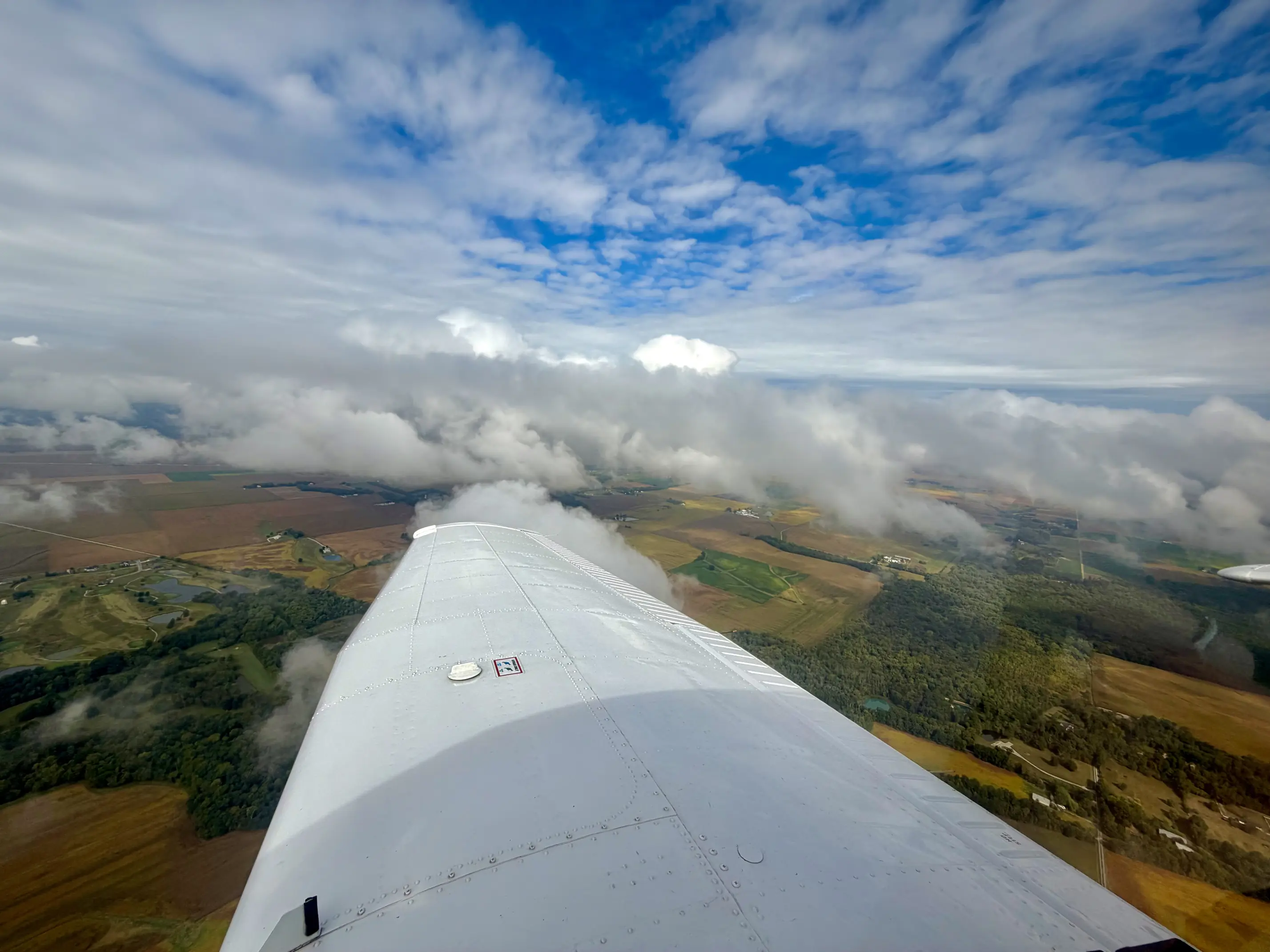
A display shows you the weather. Deciding whether to divert, wait, or land short is still yours.
How training builds the skills automation cannot supply
If the pilot’s value lives in judgment, then training has to build judgment on purpose. That is the design behind the FAA’s Airman Certification Standards, which test risk management as its own element on every checkride, and it is the design behind how our instructors teach. A preflight briefing on our ramp is a conversation about what could go wrong today and what you would do about it.
A flight simulator is where a lot of that work happens. In the simulator you can practice the situations automation cannot resolve for you: an engine problem after takeoff, an instrument failure in cloud, a missed approach at minimums, all repeatable until the decision flow is calm. The airplane then confirms the habit. Students who follow the sequence into the Instrument Rating spend even more time on exactly the failures that make a human pilot necessary.
What the forecasts say, and what they do not
The hiring picture is the other half of the question, and the numbers are public. The U.S. Bureau of Labor Statistics projects about 18,200 openings a year for airline and commercial pilots across 2024 to 2034, largely from retirements. Boeing’s 2025 outlook projects 660,000 new commercial pilots needed worldwide through 2044. We keep the current figures and their sources on our future of pilots page.
Read those numbers correctly. Forecasts describe a market, not any one person’s job offer. Airline eligibility and airline hiring are separate milestones from earning certificates, and every employer sets its own standards. What the forecasts do establish is that the industry is planning for a large human pilot workforce across the same decades in which automation keeps advancing. Both trends are happening at once, which is the pattern the question about AI tends to miss.
Choosing a training path that ages well
If you are deciding whether to start, the useful question is which skills hold their value regardless of how cockpits evolve. Judgment, weather decision-making, communication, systems management, and calm under an abnormal situation are the answer, and they are the same skills the FAA tests and the same skills employers interview for. Learning on a modern glass panel means your systems-management habits start on day one.
Plan the path in stages. Start with a discovery flight, then private pilot, then instrument, and review your goal at each milestone. Budget realistically; financing options may be available to qualified applicants, and outside scholarships can help. A staged plan protects you no matter how the industry shifts, because each certificate is useful on its own.
FAQ
Will AI replace airline pilots?
Not today, and not on the horizon. While no one can promise what aviation will look like in thirty years, FAA rules require a human pilot in command, airlines are hiring against large projected retirements, and automation has shifted the pilot’s job toward judgment rather than removing it. Our future of pilots page has an overview of the market expectations.
Does modern automation make flight training easier?
It changes what you learn. You still master hand-flying, and you also learn to manage the autopilot, the navigator, and the displays so that automation reduces workload instead of adding surprises.
Is it still worth becoming a pilot?
Yes, the forecasts describe a large need for pilots over the next two decades, and the skills training builds are the ones automation depends on. Whether it is worth it for you comes down to your goal, schedule, and budget, which is what a discovery flight and a planning conversation are for.
What skills should I focus on if I want a career that lasts?
Decision-making, weather judgment, clear communication, systems knowledge, and disciplined procedures. Each one is tested on the checkride and evaluated by employers. The Instrument Rating in particular develops the procedural discipline that carries into any advanced cockpit.
How does Ideal Aviation teach automation?
You learn on Garmin G3X-equipped Piper and Tecnam trainers from the start, practice failures and abnormal scenarios in our Redbird simulator, and get briefed on decision-making before every flight. The goal is a pilot who uses automation confidently and flies without it competently.
Fly the airplane, then decide
The best way to understand what automation does and does not do is to sit in the left seat with an instructor, engage the autopilot, and then feel what happens when it comes off. Aviation needs pilots who can answer “now what?”, and that skill is learnable, testable, and yours to build. Book a discovery flight at St. Louis Downtown Airport and take the controls yourself.