Private Pilot to Instrument: Is This Your Next Rating?
Earning a private pilot certificate changes the question. Beyond asking if you can become a pilot, you are deciding what kind of pilot you want to become next.
For many pilots, an instrument rating is the next major step. It develops the knowledge and skill to operate under instrument flight rules when the pilot, aircraft, currency, equipment, and conditions meet the applicable requirements. It can also support a professional training sequence. But “instrument comes next” is not enough reason by itself. Start by thinking about your missions, proficiency, available time, and budget.
At Ideal Aviation, we help private pilots compare that decision with the flying they actually want to do.
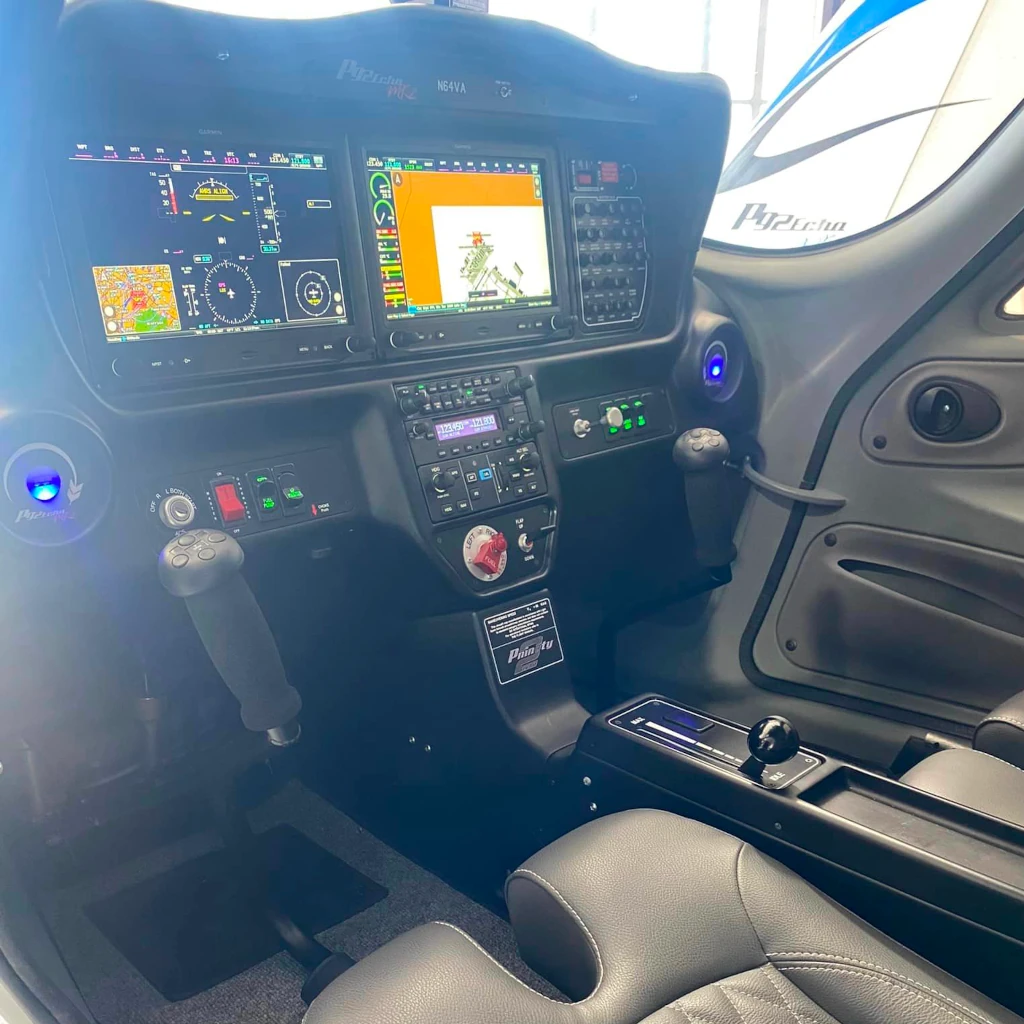
Instrument training changes how you gather information, manage workload, and stay ahead of the airplane.
Choose instrument for a mission
Start with your last ten flights or the trips you hope to make. Did weather frequently narrow the plan? Do you want to become more capable at cross-country planning? Are you pursuing commercial training? Do you simply want a structured challenge that makes your procedures, scan, and decision-making more disciplined?
Those are stronger reasons than collecting another credential. An instrument rating is especially worth serious consideration when:
- Your travel goals regularly involve weather decisions beyond simple local VFR flying.
- You want deeper training in instrument procedures, navigation, approaches, and workload management.
- You are planning toward commercial pilot training.
- You have the time and financial runway to train consistently.
- You are willing to maintain proficiency after the checkride.
If your immediate goal is relaxed local flying and you are still building confidence in basic aircraft control, airspace, radio work, or cross-country planning, more private-pilot experience may be the more useful next step.
Understand what the rating changes and what it does not
An instrument rating is added to your pilot certificate. It is not a separate “instrument certificate.” It expands the operations available to a properly qualified and current pilot flying an appropriately equipped aircraft under the applicable rules.
The rating does not make every weather situation acceptable. Thunderstorms, icing, wind, turbulence, ceilings, visibility, aircraft capability, pilot currency, personal minimums, and alternates still demand conservative judgment. Instrument training gives you more tools and procedures; it also makes the responsibility to recognize limits more specific.
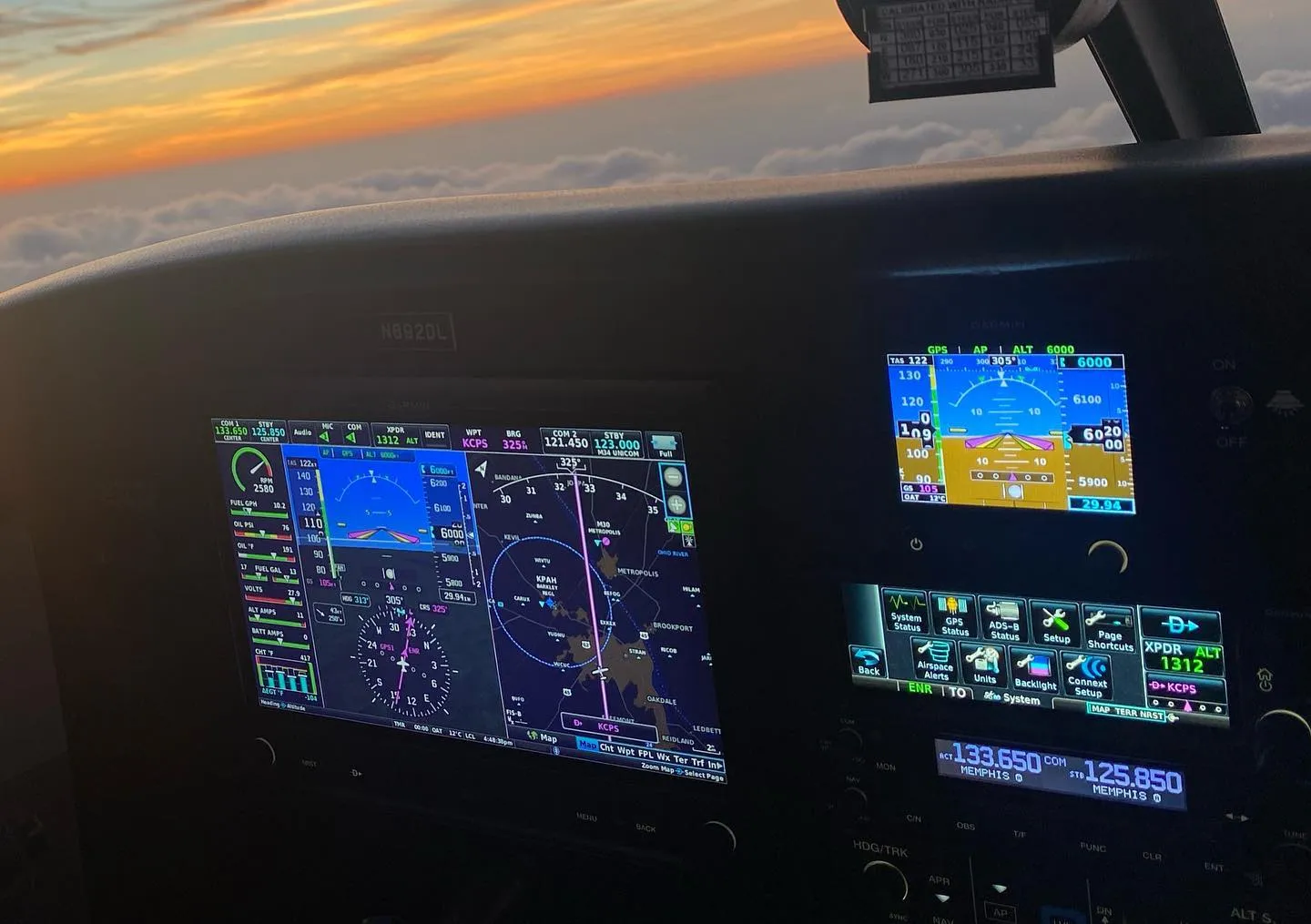
Our explainer on reading an instrument panel is a useful preview of the scan and information-management mindset. The full rating goes much further through weather, regulations, flight planning, navigation, holding, approaches, missed approaches, communications, and abnormal situations.
Let your recent flying reveal your readiness
A fresh private pilot may move directly into instrument training, while another pilot may benefit from building more command experience first. Readiness is less about pride and more about available attention. If basic aircraft control still consumes most of your mental bandwidth, adding clearances, approach briefings, navigation changes, and instrument procedures can overload the lesson.
Before enrolling, use the Private Pilot program as a skills reference and talk with an instructor about:
- Aircraft control while dividing attention.
- Radio communication and airspace comfort.
- Cross-country planning habits.
- Weather interpretation and go/no-go decisions.
- Recent flight activity and any skill rust.
- Study time available outside the airplane.
An instructor can turn that conversation into a practical starting plan. The answer might be “begin instrument now,” or it might include a small amount of targeted VFR proficiency work first.
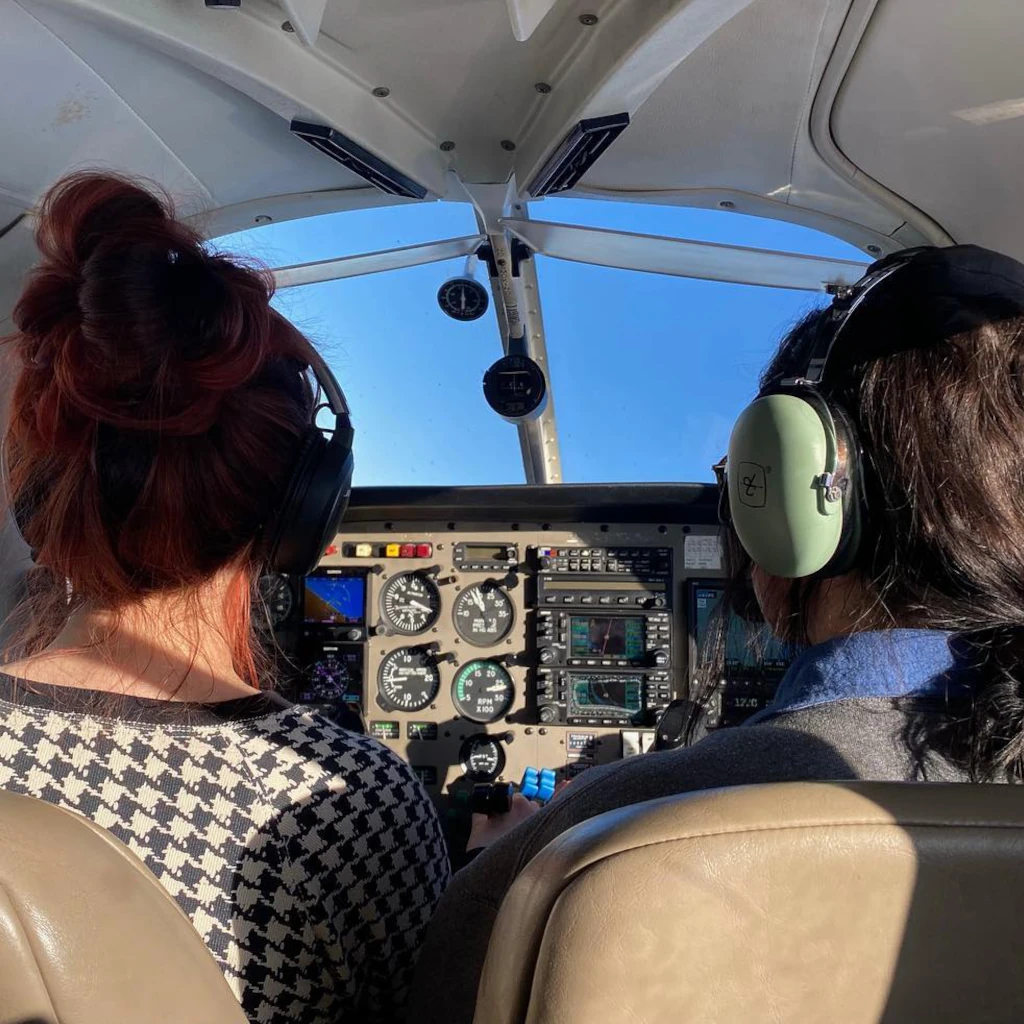
A readiness conversation should connect current cockpit habits with the workload instrument training will add.
Match the training rhythm to the skill you are building
Instrument procedures involve sequences. You brief, configure, intercept, track, communicate, monitor, and decide while the airplane continues moving. Long gaps can make the next lesson feel like a reconstruction of the last one.
Choose a pace that supports retention and that your schedule can maintain. Our guide to making the most of every flight lesson explains how preparation protects the value of cockpit time. For instrument training, preparation can include chair-flying a procedure, reviewing a plate, rehearsing a clearance, or identifying the exact standard you will practice.
Consistency matters more than an impressive first-week schedule. Put both flight periods and study periods on your calendar. If work or family makes that rhythm impossible right now, waiting with a defined restart date can be better than beginning without enough continuity.
Use simulation to practice decisions
A training device can create concentrated practice. Approaches can be repeated, weather and failures can be introduced, and a procedure can be paused for discussion in ways that are not always practical in the airplane. Review our flight simulators to see how simulation fits the Ideal Aviation training environment.
The value is not merely lower-stakes repetition. Simulation gives you room to notice why the sequence broke down. Did you brief too late? Chase the needles? Miss a call because the cockpit setup was incomplete? The lesson becomes useful when you connect the error to a better workflow.
Simulator credit and how a device is used depend on the applicable course, device approval, instructor, and regulatory requirements. Discuss the current training plan with our team rather than assuming every simulated hour substitutes for aircraft time.
Budget for proficiency and the checkride
Your existing flight time, training path, proficiency, lesson frequency, and current program details all affect an instrument-training estimate. Build the budget around aircraft and instructor time, ground instruction, study materials, the knowledge test, practical test and examiner expenses, and a reserve for additional training.
Our flight training budget guide helps you separate those categories. Do not treat a regulatory minimum as a final-price quote. Ask for a current estimate based on your experience and intended course.
Financing options may be available to qualified applicants. Review eligibility, interest, fees, repayment timing, covered costs, and total repayment amount. Scholarship availability can also change, so use our scholarship resources as a place to search rather than as money already secured.
Compare instrument with the other reasonable next steps
Instrument is not the only productive choice after private pilot. The right next step depends on the flying you want to unlock and the foundation you need most.
| Next step | Best fit when your priority is | Main commitment to consider |
|---|---|---|
| Instrument Rating | IFR procedures, weather decision-making, cross-country utility, or career progression | Consistent training and ongoing proficiency |
| More private-pilot experience | Stronger VFR command habits, local flying, or cross-country confidence | Flying with purpose instead of logging time without a learning goal |
| Commercial Pilot planning | Understanding the professional sequence and future requirements | Instrument is commonly part of the career-track plan |
You do not need to choose based on what another pilot did immediately after their checkride. Choose the credential or experience that solves your next real constraint.
Make continued proficiency part of the enrollment decision
Instrument training does not end at the practical test. Instrument currency has regulatory requirements, and practical proficiency deserves attention beyond checking a legal box. Before you begin, decide whether your future flying and budget can support continued practice.
That might include flying with an instructor, using an appropriate simulator or training device, practicing with a qualified safety pilot when applicable, and maintaining disciplined weather and approach-planning habits. Our post on why flight simulators matter can help you think about recurrent practice as part of the rating’s long-term value.
A rating you continue to use and practice is more valuable than one pursued only as the automatic next line in a logbook.
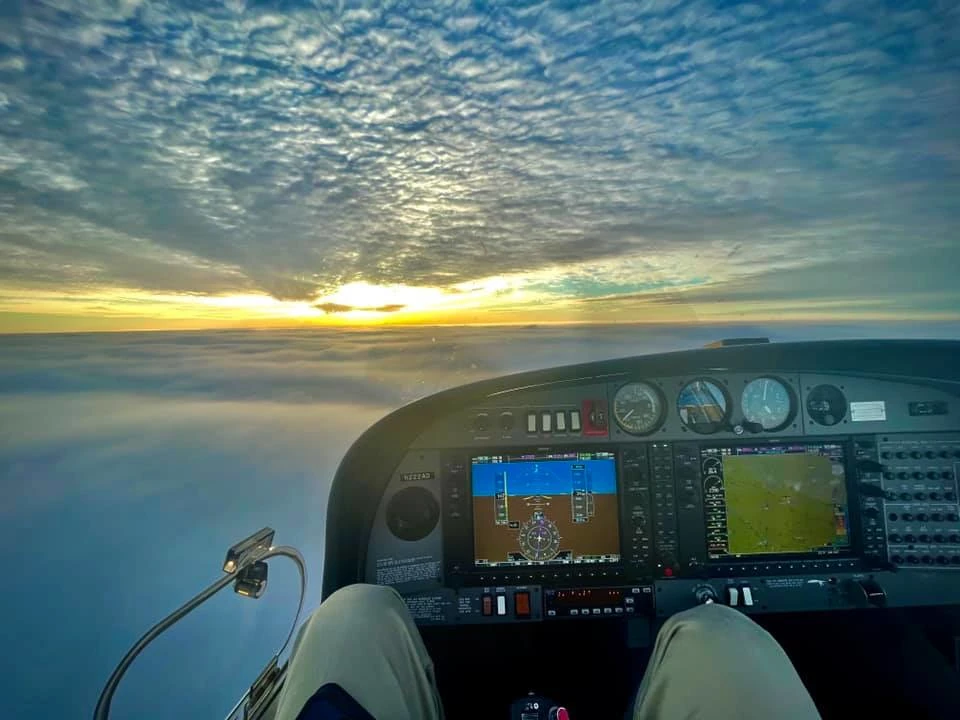
Instrument proficiency grows through deliberate practice, clear roles, and disciplined cockpit routines.
Private pilot to instrument FAQs
Is instrument usually the next rating after private pilot?
It is a common next step, especially for career-track pilots and private pilots who want deeper cross-country and IFR capability. It is not mandatory for every personal flying goal. Compare your mission with the Instrument Rating program and your current readiness.
Does an instrument rating let me fly in any weather?
No. Pilot currency and proficiency, aircraft equipment and limitations, operating rules, and conditions all matter. The rating expands capability while making weather analysis and conservative decisions even more important.
Should I build VFR hours before starting instrument training?
It depends on your current control, radio, cross-country, and workload-management skills. A flight with an instructor can identify whether targeted VFR practice would help first. Contact us to discuss a readiness review.
How much does an instrument rating cost?
Cost varies with experience, course structure, proficiency, lesson frequency, aircraft, instructor time, ground training, testing, and other expenses. Request current program details for more information.
Is instrument required before commercial pilot training?
Instrument training is a common and important part of a professional airplane pathway, but exact privileges and requirements depend on the certificate, rating, category, class, and training route. Use our Commercial Pilot program to begin a sequence conversation with an instructor.
Decide from the pilot you want to be next
Choose instrument when it serves a real mission: deeper procedural skill, more capable cross-country planning, a defined professional sequence, or a disciplined new challenge. Bring your recent flying, schedule, and budget into the decision, then plan for the proficiency you will maintain after the checkride.
Contact Ideal Aviation to compare current instrument-training options and decide whether this is the right next rating for you.